Welcome to Help Me Sleep — a calm space designed to help you rest, reset, and wake with clarity.
Discover practical sleep routines, gentle night rituals, and insights to help you wake feeling more like yourself.
Poor sleep has become a quiet epidemic. Busy minds, late‑night screens, stress, and constant pressure make it harder than ever to unwind.
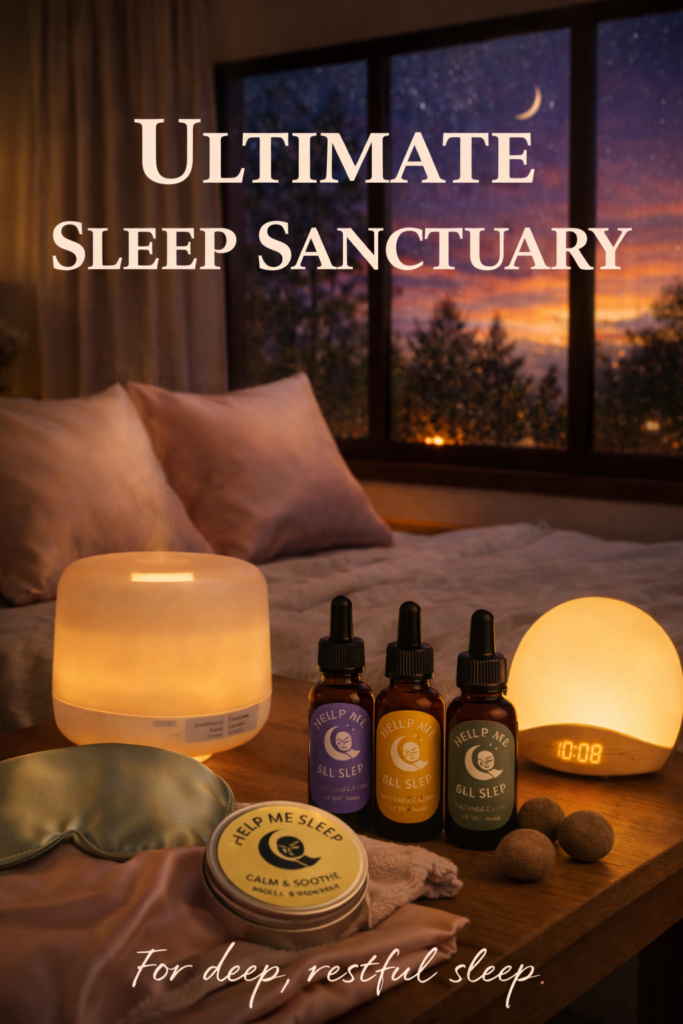
Help Me Sleep was created from the belief that everyone deserves to feel deeply rested. Here you’ll find calming rituals and thoughtfully crafted product bundles designed to help you slow down, unwind, and create more peaceful evenings, one small step at a time.
Our mission is to help you slow down, reconnect with your body, and create small, meaningful habits that support deeper rest and a clearer mind.
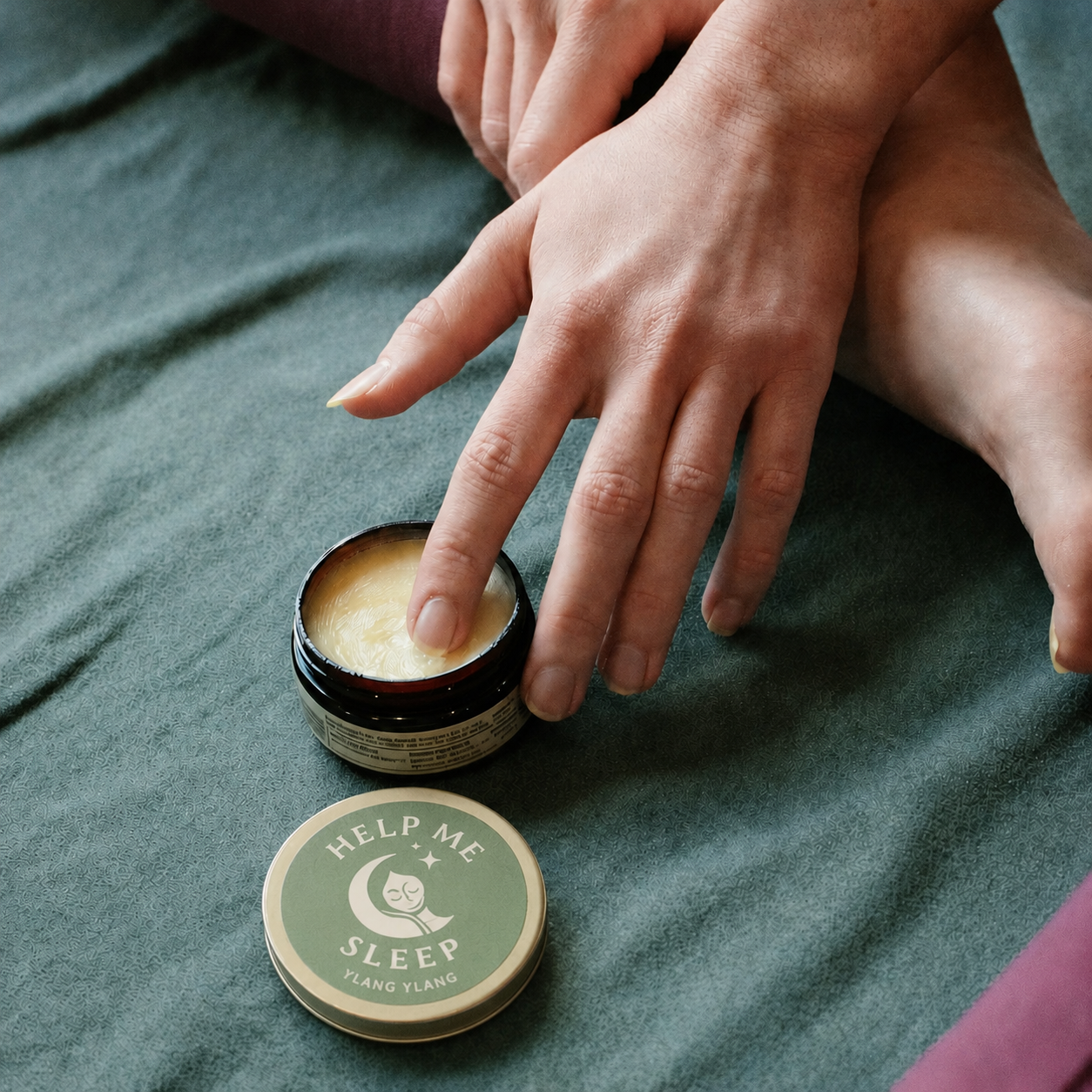
“I started using sleep balm and essential oils during a really stressful period, and I’m honestly surprised by how much they’ve helped. These are now part of my nightly wind‑down — the scent is calming without being overpowering, and helps to ease my mind.
The essential oils are powerful in creating a peaceful space before bed. I’m sleeping deeper and waking up feeling more refreshed than I have in years.” — Wendy B.
“I bought the eye mask originally just for flights, but I’ve ended up using it pretty much every night now. The balm surprised me too — I keep using it before bed when I’m travelling because the scent helps me slow down a bit after long days. Small thing, but it’s made sleeping in hotels a lot easier for me.” — Sarah M.
Simple Routines for Better Sleep

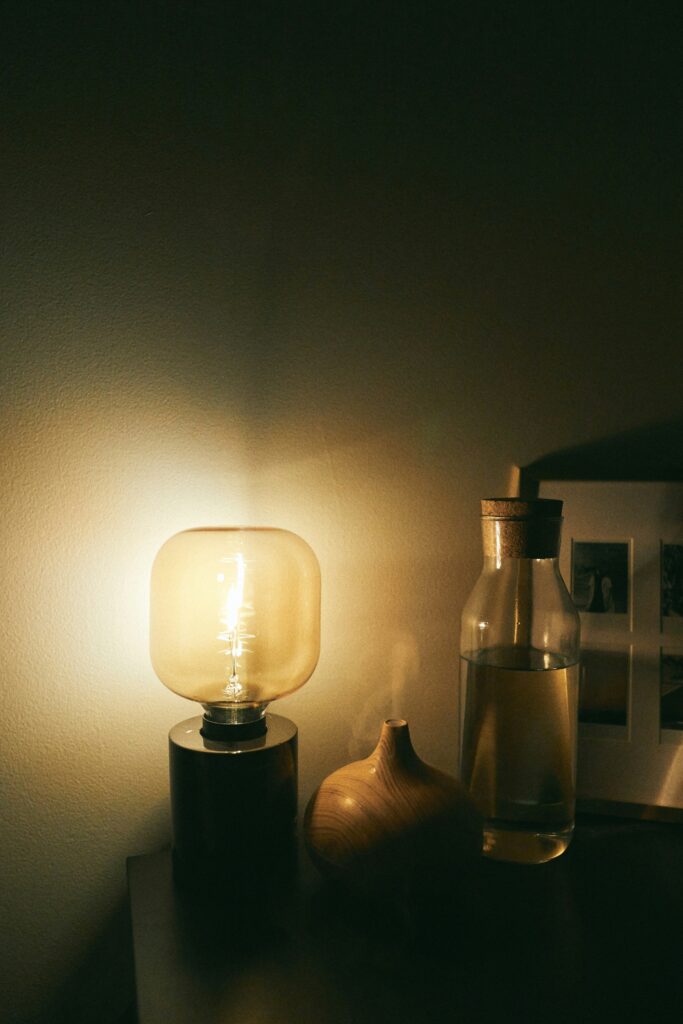
Night rituals offer a simple way to help your body shift out of the day and into rest. This routine isn’t about doing more — it’s about creating a gentle pause so your nervous system has a clear signal that it’s safe to slow down.
What this routine supports
• Quieting mental chatter
• Releasing built-up tension from the day
• Supporting deeper, more settled sleep
• Building a consistent wind-down rhythm your body begins to recognise
Guided steps
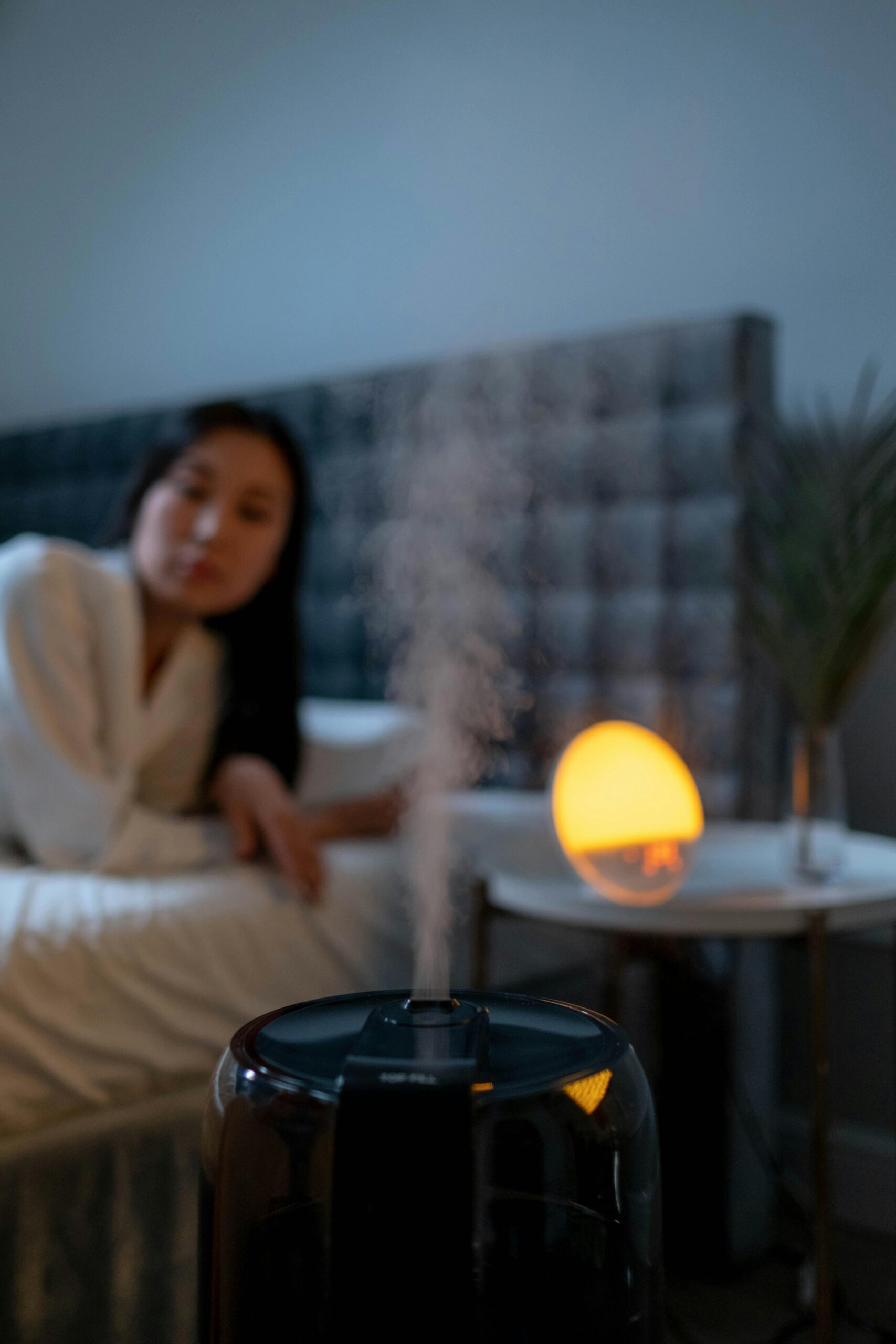
1. Dim the environment. Lower the lights and soften screens where you can. Our brains respond strongly to light, and reducing it helps signal that nighttime has begun. This simple shift supports your natural melatonin cycle.
2. Slow your breathing. Take a few steady breaths — in through the nose, out through the mouth. Nothing forced. Just a deliberate slowing. This helps move your body from a state of alertness into one of calm.
3. Apply sleep balm. Use this as a sensory cue. The scent and the small act of applying it become part of your evening rhythm. Over time, your body starts to associate this step with settling down.
4. Put on your eye mask. Reducing light helps the mind stay in rest mode and minimises subtle disturbances that can interrupt deeper sleep. Darkness allows the body to fully commit to rest.
5. Follow your Night Guide. Move through a few minutes of quiet breathing, reflection, or stillness. This isn’t about performance — it’s simply a moment to let the day close gently before sleep begins.
Why this routine works
Our bodies respond well to repetition. Small, consistent cues create a pattern the nervous system learns to recognise. When you follow the same sequence each night, it becomes a familiar pathway into rest — one that feels easier and more natural over time.
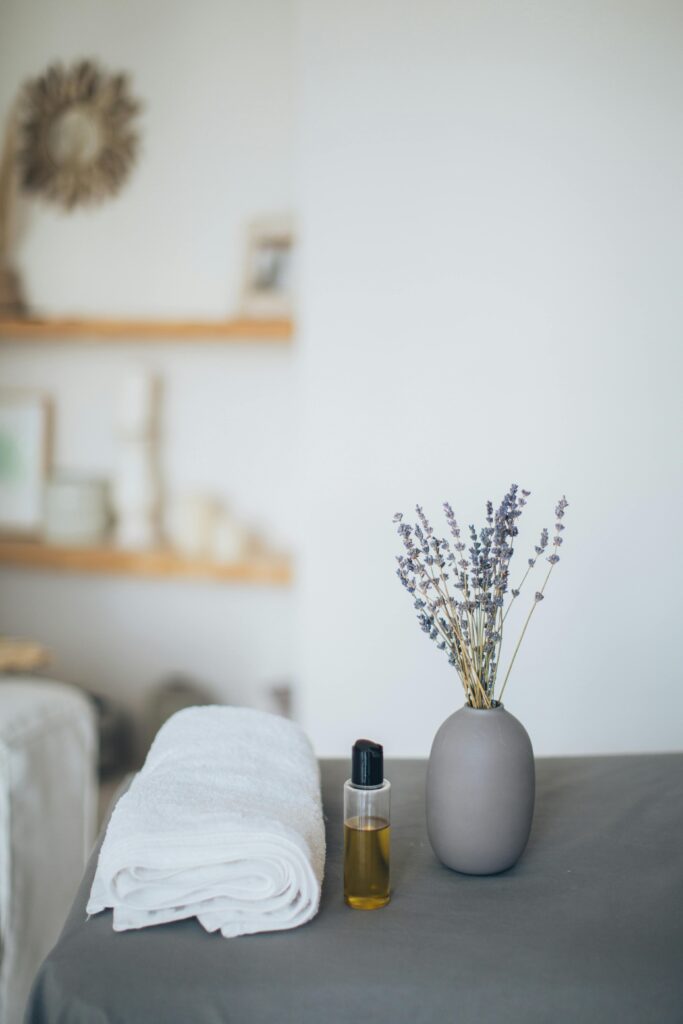

A gentle way to help your body move from sleep into the day with clarity.
This routine isn’t about rushing into productivity — it’s about giving your nervous system a steady, supportive start so your energy builds naturally.
What this routine supports
• Clearing mental fog
• Regulating morning cortisol in a balanced way
• Creating a smoother transition into activity
• Establishing a consistent wake-up rhythm your body can rely on
Your guided steps
1. Let light in. Open a curtain or step outside for a few minutes of natural light. Morning light helps set your internal clock and signals to your brain that it’s time to be awake. Even a small amount makes a difference.
2. Hydrate before stimulation. Have a glass of water before coffee or screens. After several hours of sleep, your body is mildly dehydrated. Rehydrating first supports clearer thinking and steadier energy.
3. Move gently. Stretch, roll your shoulders, take a short walk, or do a few slow mobility movements. This helps circulation increase gradually and reduces that heavy, stiff feeling that can linger after sleep.
4. Breathe with intention. Take a few steady breaths — slightly deeper than usual. Morning breathing can be a touch more energising: inhale through the nose, exhale through the mouth. It helps shift you from passive rest into alert presence.
5. Set a simple intention. Before checking messages or diving into tasks, pause and decide how you’d like to feel today. Calm. Focused. Steady. This isn’t a to-do list — it’s a tone-setting moment that guides your energy.
Why this routine works
Mornings shape your nervous system for the rest of the day. When you introduce light, movement, hydration, and intention in a consistent way, your body begins to expect and respond to that pattern. Over time, waking feels less abrupt and more supported — and your energy becomes steadier rather than reactive.


Why this routine works
Sleep depends heavily on familiarity and safety. When your surroundings change, your nervous system becomes more alert. Repeating a small, consistent sequence each night while travelling creates a predictable pattern your body can recognise. Over time, this makes it easier to rest — even when you’re far from home.
Travelling changes your rhythm.
This routine is designed to help your body feel steady and supported, even when you’re sleeping somewhere unfamiliar — a plane seat, a hotel room, or a different time zone.
It’s less about perfection and more about creating small signals that say: you can rest here.
What this routine supports
• Easing nervous system tension while travelling
• Helping your body adjust to unfamiliar environments
• Reducing overstimulation from noise and light
• Creating a familiar sleep pattern wherever you are
Your guided steps
1. Create a small sense of familiarity. Use one consistent cue — a scent, an eye mask, a short breathing practice. Repeating the same small ritual while travelling helps your body recognise that it’s time to rest, even in a new place.
2. Reduce light and noise where you can. Close curtains, dim lamps, use an eye mask or headphones. You don’t need perfect silence — just enough reduction to help your mind settle.
3. Slow your breathing. Travel often keeps the body slightly alert. Take a few slow breaths in through the nose, out through the mouth. This gently shifts your system away from “transit mode” and toward rest.
4. Release physical tension. Roll your shoulders, stretch your neck, or gently flex and relax your hands and feet. Sitting for long periods builds subtle tension, and releasing it helps your body soften before sleep.
5. Let the day end clearly. When travelling, the mind often keeps replaying plans, directions, and logistics. Take a brief moment to mentally close the day — remind yourself that what isn’t done can wait until morning.
How to Begin Your Sleep Routine
Choose a routine
Explore our Night, Morning, On‑the‑Go, or Stress & Calm guides to find what fits your lifestyle.
Follow the simple steps
Each guide walks you through a short, calming sequence designed to help your body unwind or reset.
Use your tools
Our balms, eye mask, essential oils and other products can support your routine, but the guide works even without them.
FAQs
Location
Based in Melbourne, thoughtfully created for restful nights everywhere.
Opening hours
Monday – Friday: 8:00 AM – 5:00 PM
Saturday: 10:00 AM – 2:00 PM
Closed on Sundays
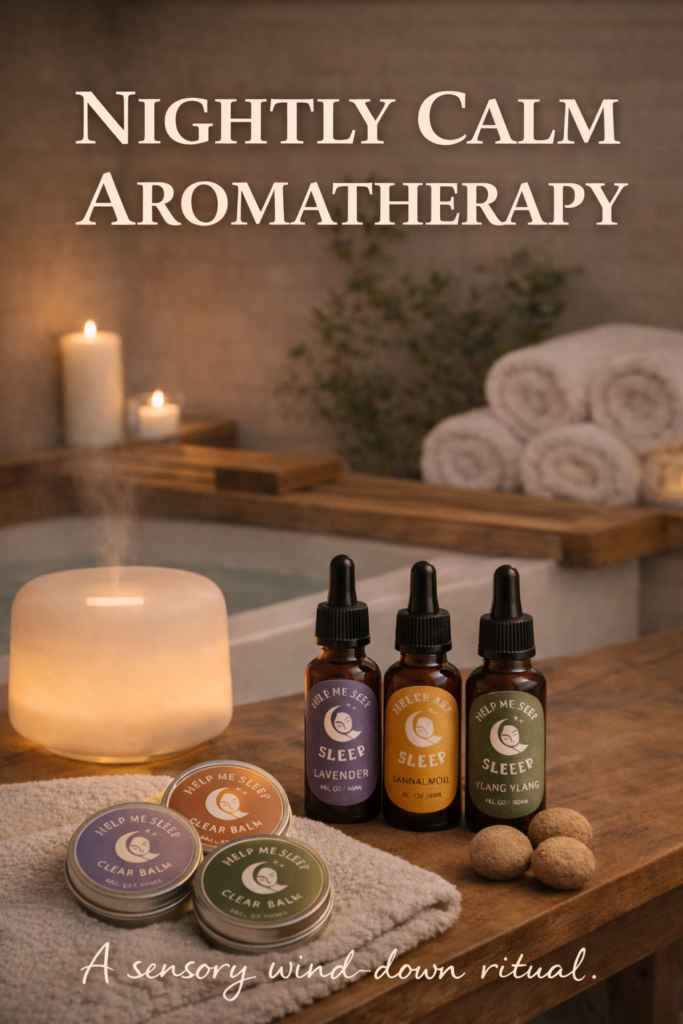
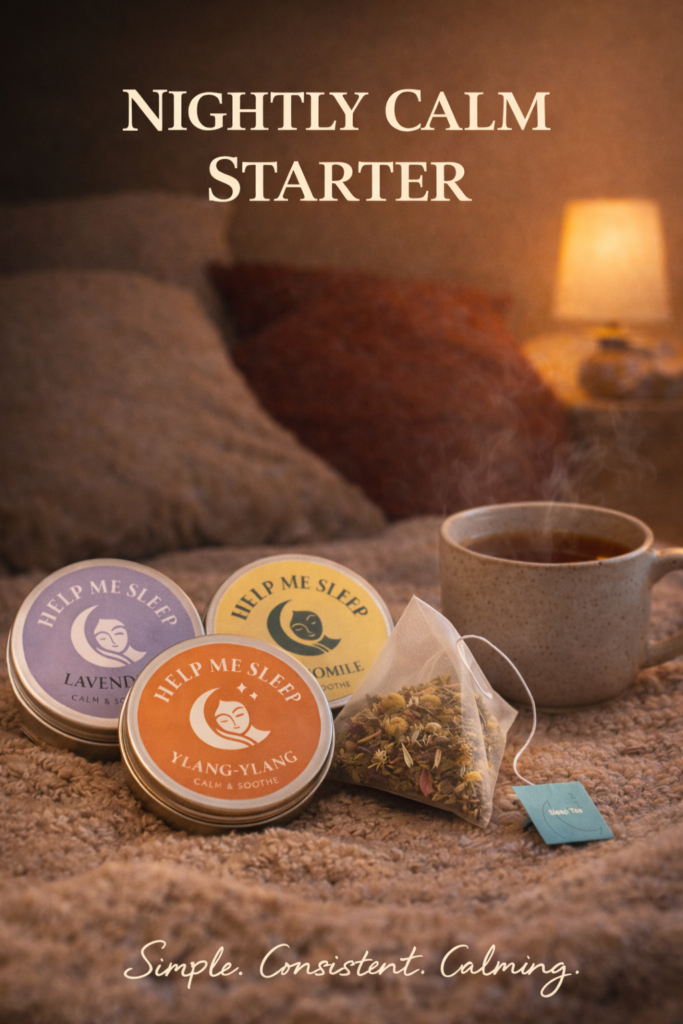
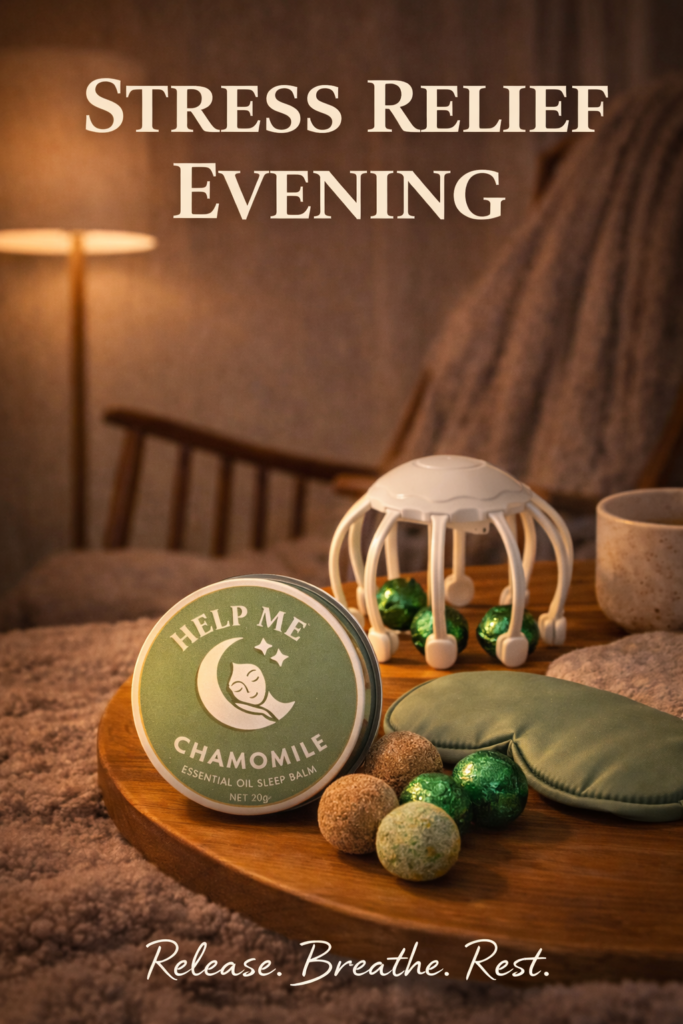
🌙 Our Sleep Rituals


© 2026 Help Me Sleep · All Rights Reserved
Privacy | Terms & Disclaimer